If you want to edit photos online in 2026 without installing heavyweight software, the good news is that browser-based AI editors are finally good enough for real work. The best tools now go far beyond simple filters: they can remove objects, swap backgrounds, expand the canvas, retouch portraits, upscale low-quality images, and even follow natural-language prompts inside an online editor.
For this list, we focused on tools that are actually useful for modern online editing: prompt-based edits, canvas-style workflows, object cleanup, background work, quality enhancement, and no-download convenience. Some are better for marketing teams, some for ecommerce, and some for creators who want an all-in-one image workspace. Here are the 10 worth trying now.
How we picked these AI photo editors
We prioritized tools that let you edit in the browser, support practical AI edits such as erase/replace/expand/enhance, and feel fast enough for real content workflows instead of just one-off demos. We also gave extra weight to editors that combine multiple tasks in one place, because switching between separate tools for cleanup, background removal, retouching, and generation still slows teams down.
To make the shortlist easier to scan, here’s a side-by-side comparison of the best AI photo editors for online editing, canvas workflow, and no-download convenience in 2026.
Compare Table: Best AI Photo Editors 2026
| Tool | Best for | Key AI editing strengths | Pricing |
|---|---|---|---|
| DeeVid AI Image Editor | All-in-one prompt-based editing | Text-prompt editing in canvas, inpaint, reference-image workflow, quick image upload and creation | Free trial; paid from $14/mo monthly or $10/mo billed yearly for Lite. Pro and Premium tiers are also listed. |
| Adobe Firefly | Premium generative photo editing | Prompt-based edits, object removal, upscale, expand, style transfer | Free tier available; paid plans and credit add-ons available. |
| Canva | Photo editing inside a design workflow | Magic Edit, background generation, prompt-based edits | Free plan available; paid Pro, Teams, and Enterprise options. |
| Pixlr | Fast everyday browser editing | Generative fill, remove background, remove object, image expand | Free plan available; Plus from $2.49/mo and Premium from $9.99/mo in the pricing page snippet. |
| Fotor | General-purpose AI photo editing | 30+ AI tools, enhancement, background removal, portrait retouching | Free Basic plan; paid Pro and Pro+ plans available. |
| Photoroom | Ecommerce and product images | Background remover, AI backgrounds, object removal, resize/expand, product staging | Start free; Pro from $7.50, Max from $20.99, Ultra from $82.50; Enterprise custom. |
| Picsart | Creators and social visuals | Background remover, AI replace, AI expand, object removal, enhance | Free plan available; paid subscription plans available, including Pro/Ultra tiers. |
| insMind | Practical commercial image cleanup | Remove background, AI background, enhancer, extender, magic eraser, replace, batch editor | Free option available; monthly and yearly paid subscriptions offered. |
| Clipdrop | Focused one-task AI edits | Cleanup, uncrop, background removal, upscaling, relight | Free plan available; paid Pro plan available. |
| BeFunky | Easy editing for casual users and SMBs | Background remover, object eraser, enhancer, upscale, sky replacer, deblur | Free plan available; Plus from $6.99/mo billed annually at $83.88. |
1. DeeVid AI Image Editor
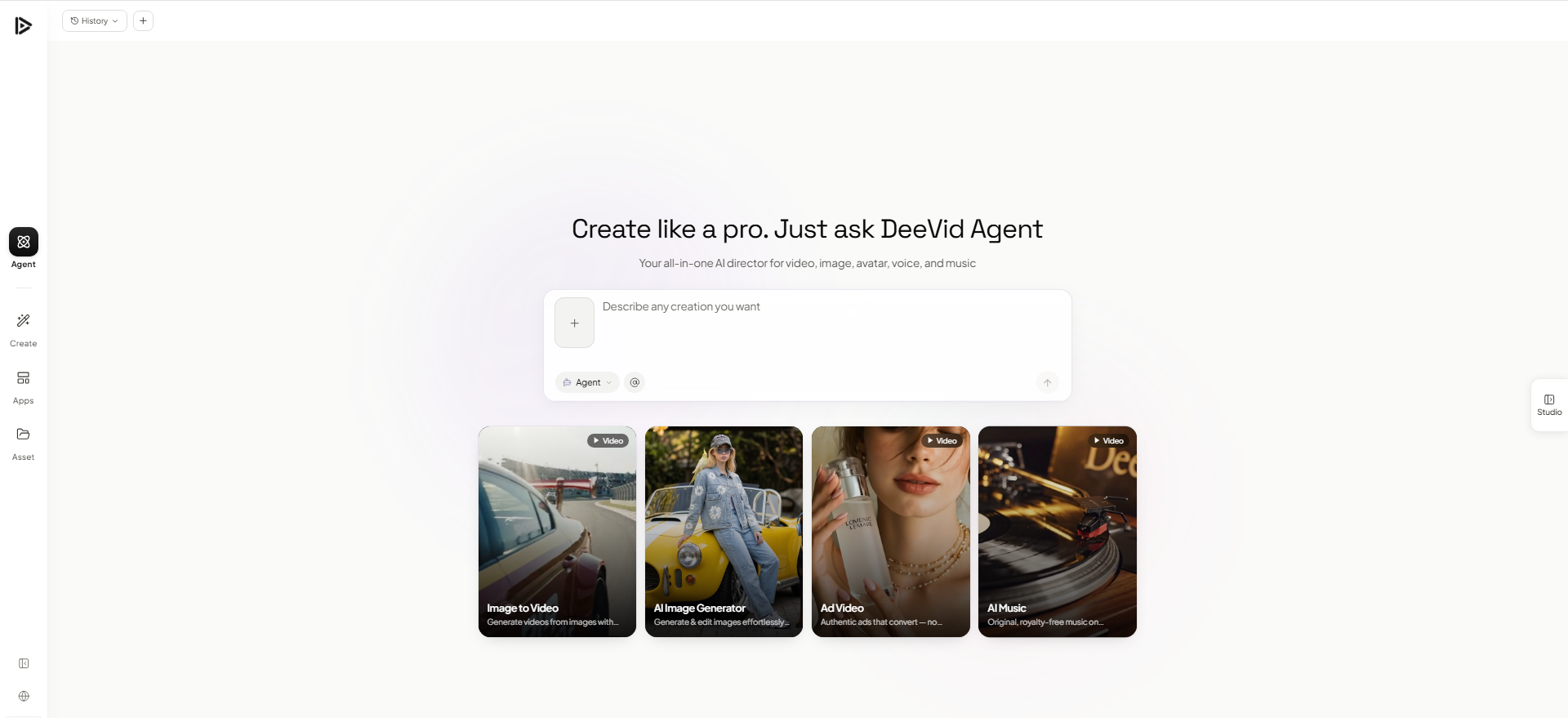
DeeVid AI Image Editor is the best choice for users who want an online AI photo editor that feels simple, fast, and actually practical for real work. Instead of splitting tasks across different tools, DeeVid brings common edits into one browser-based flow: you can upload an image, describe what you want changed, and let the editor handle background removal, object cleanup, object replacement, portrait retouching, upscaling, and color or lighting fixes. The platform also supports more advanced workflows like generative fill, expand, image-to-image, and text-to-image, which makes it more than just a basic touch-up tool.
What makes DeeVid stand out is the workflow. It is designed for people who want to move from raw photo to finished asset without downloading software or wrestling with a complex interface. That makes it especially strong for creators, marketers, ecommerce sellers, and small teams that need polished visuals quickly. Rather than feeling like a collection of isolated AI tricks, DeeVid feels like a modern editing canvas built around speed and usability.
Why we list it as Top 1: DeeVid offers the strongest balance of ease of use, all-in-one editing depth, and true browser-based canvas workflow, making it the most complete option for online AI photo editing in 2026.
Best for: users who want an all-in-one AI image editor with prompt-based editing and a clean browser workflow.
2. Adobe Firefly
Adobe Firefly is one of the strongest options for users who want premium AI editing quality in a web-based experience. It focuses on prompt-based edits such as removing or replacing elements, extending images, and generating new visual content from simple instructions. For users who already trust Adobe’s creative ecosystem, Firefly feels like a natural extension of that standard.
The biggest reason to choose Firefly is quality and brand confidence. If you want polished generative editing backed by a major creative platform, Firefly is an easy recommendation. It feels more premium than many lightweight browser tools, though some users may find it less streamlined than editors built purely for fast online workflows.
Why we list it as Top 2: Firefly delivers some of the best generative editing quality in the category, but it ranks just behind DeeVid because it feels more ecosystem-driven and less streamlined for quick all-in-one browser editing.
Best for: creatives and professionals who want high-quality generative editing inside a premium design ecosystem.
3. Canva
Canva is a great fit for users who want AI photo editing as part of a broader design workflow. Its AI editing tools sit directly inside Canva’s editor, making it easy to add, erase, or modify visual elements without leaving the browser. That makes it especially useful for teams creating social posts, ads, presentations, and brand assets alongside photo edits.
Canva’s main advantage is convenience. It may not feel as photo-specialized as some dedicated AI editors, but it shines when editing is just one part of the creative job. If you want to retouch an image, change a background, and immediately place that image into a post, banner, or slide, Canva is one of the easiest tools to recommend.
Why we list it as Top 3: Canva earns a high spot because it combines AI photo editing with one of the most practical browser-based design workflows available, even if its editing depth is not as focused as a dedicated image editor.
Best for: creators, marketers, and teams who want AI photo editing inside a flexible design platform.
4. Pixlr
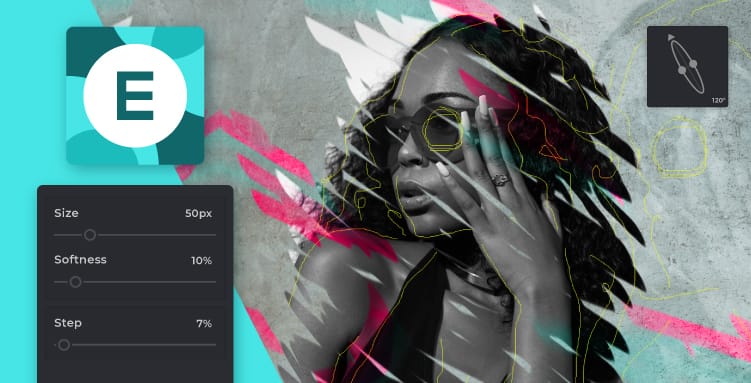
Pixlr continues to be one of the most accessible AI photo editors online. It appeals to users who want low-friction editing across browser, mobile, and desktop, without needing a complicated setup. Pixlr works well for quick fixes, visual cleanup, and lightweight creative work, which is exactly why it remains popular.
Pixlr’s strength is speed and accessibility. It does not try to feel overly enterprise or overly technical. Instead, it gives users a straightforward editing environment with AI tools close at hand, which is exactly what many people want from an online photo editor. If your priority is opening a browser, making quick edits, and moving on, Pixlr remains one of the most useful tools in the category.
Why we list it as Top 4: Pixlr ranks highly because it is one of the easiest and fastest AI photo editors to use online, though it is less premium and less workflow-complete than the top three options.
Best for: users who want fast, browser-based editing with AI features and minimal setup.